Controversy Erupts as Chinese Noodle Shop Charges $300 per Bowl
A Noodle Shop in Hangzhou Sparks Debate with $300 Bowl of Noodles
A small two-table noodle shop located in Hangzhou, Zhejiang province, has recently sparked a heated debate after introducing a dish that costs 2,188 yuan (approximately US$300) per bowl. This price is comparable to that of Michelin-starred restaurants, making it an unusual and eye-catching move in the local food scene.
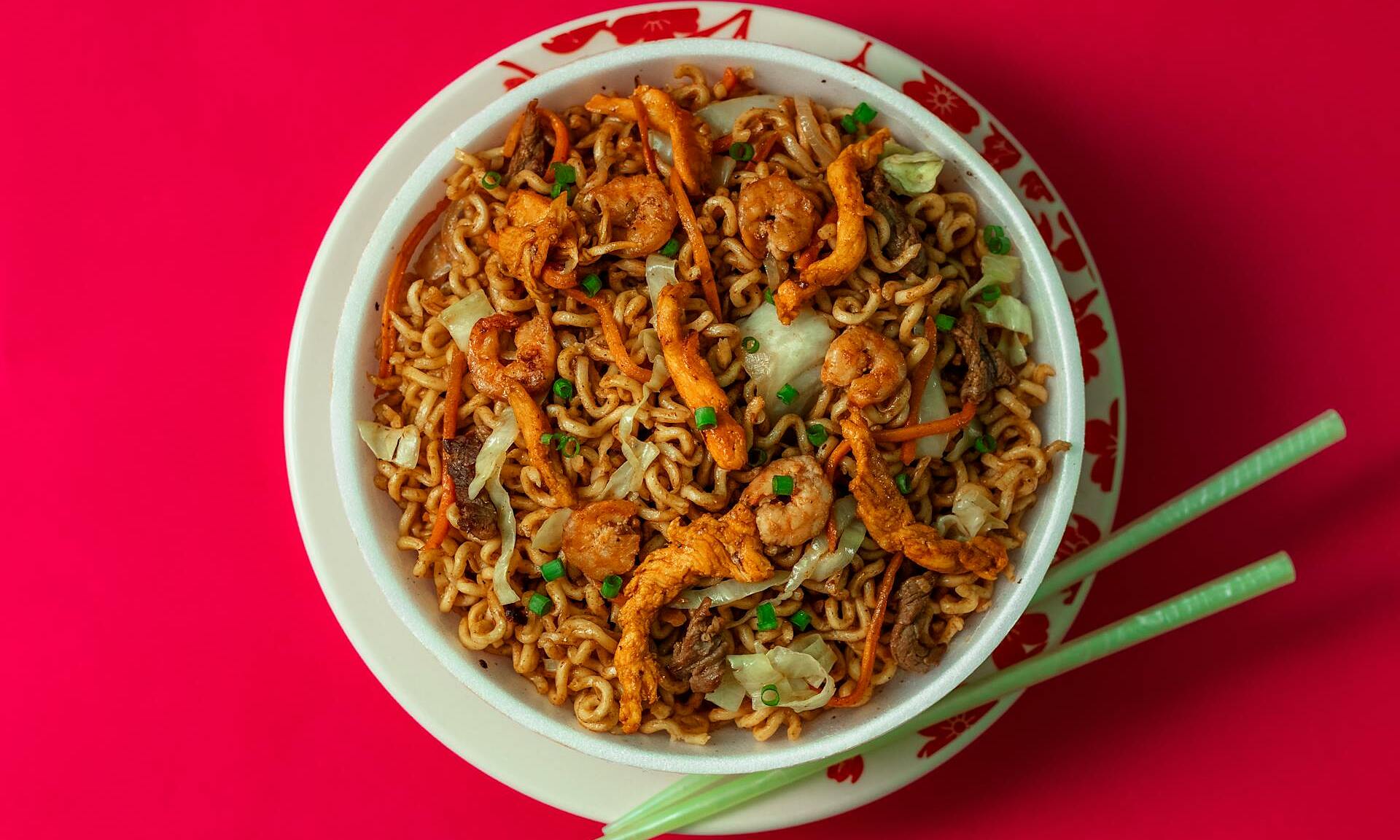
The eatery has reportedly sold nearly a dozen of these high-priced dishes, drawing attention and controversy online. The menu features local specialties such as Ban Chuan stir-fried noodles, fried rice, and soup noodles, with nearly all dishes priced above 2,000 yuan. The $300 bowl of noodles includes premium ingredients like 120g of onion, 130g of egg or 10g of fresh caviar, 270g of swamp eel, 400g of red prawn, and 210g of small abalone. Customers can even add 20g of tomatoes for an additional 20 yuan.
The owner, known by his surname Wu, claims that the high prices reflect his cooking skills. He insists that his noodles are not oily or limp and offer a taste that surpasses those found at other local eateries. Wu also mentioned that the seafood is sourced fresh from a nearby market and that each bowl takes about 15 minutes to prepare.
Despite the high cost, over 10 customers have reportedly ordered the 2,000-yuan dish, with one customer even taking it back to Shanghai via high-speed rail. However, most of the online buzz comes from food influencers sharing their experiences. Some observers have questioned the pricing, with one comment suggesting that the noodles would become mushy after traveling from Hangzhou to Shanghai. Another compared the cost to dining at a luxury hotel in Shanghai. Others suggested that the restaurant relies heavily on food influencer attention for its popularity, while one joked that they initially thought the price was listed in Japanese yen.
Wu, who is 46 years old, transitioned from a sales career to opening the eatery in 2021. After his first cook resigned, he took over the kitchen himself. This is not the first time the restaurant has sparked attention. In June, the most expensive item on the menu was 558 yuan ($78), and a 2022 menu shared online listed the priciest dish at only 68 yuan ($9.50).
He Shengting, a lawyer from Guangdong Guoding Law Firm, confirmed that the diner is not breaking any laws, as the pricing and ingredients are clearly indicated. He added that issues would only arise if the restaurant misrepresented the prices or the content of the dishes.
The Controversy Surrounding High-Priced Noodles
The debate around the $300 noodle dish highlights the growing trend of premium pricing in the food industry. While some argue that the cost reflects the quality of ingredients and the skill of the chef, others see it as an example of excessive pricing. The situation raises questions about what consumers are willing to pay for a meal and whether the value justifies the cost.
In recent years, there has been a noticeable shift in consumer behavior, with more people seeking unique and high-quality dining experiences. This has led to the rise of niche restaurants that cater to specific tastes and preferences. However, the case of this Hangzhou noodle shop demonstrates how such trends can sometimes lead to controversy, especially when the prices seem disproportionately high compared to traditional options.
The role of social media and food influencers in shaping public perception cannot be ignored. Their reviews and posts can significantly impact a restaurant's reputation and customer base. In this instance, the attention from influencers has played a crucial role in amplifying the discussion around the high-priced noodles.
As the debate continues, it remains to be seen whether this particular restaurant will maintain its unique position in the market or if it will face increased scrutiny from both consumers and regulators. For now, the $300 noodle dish serves as a fascinating example of how pricing, quality, and perception intersect in the world of fine dining.


Comments
Post a Comment